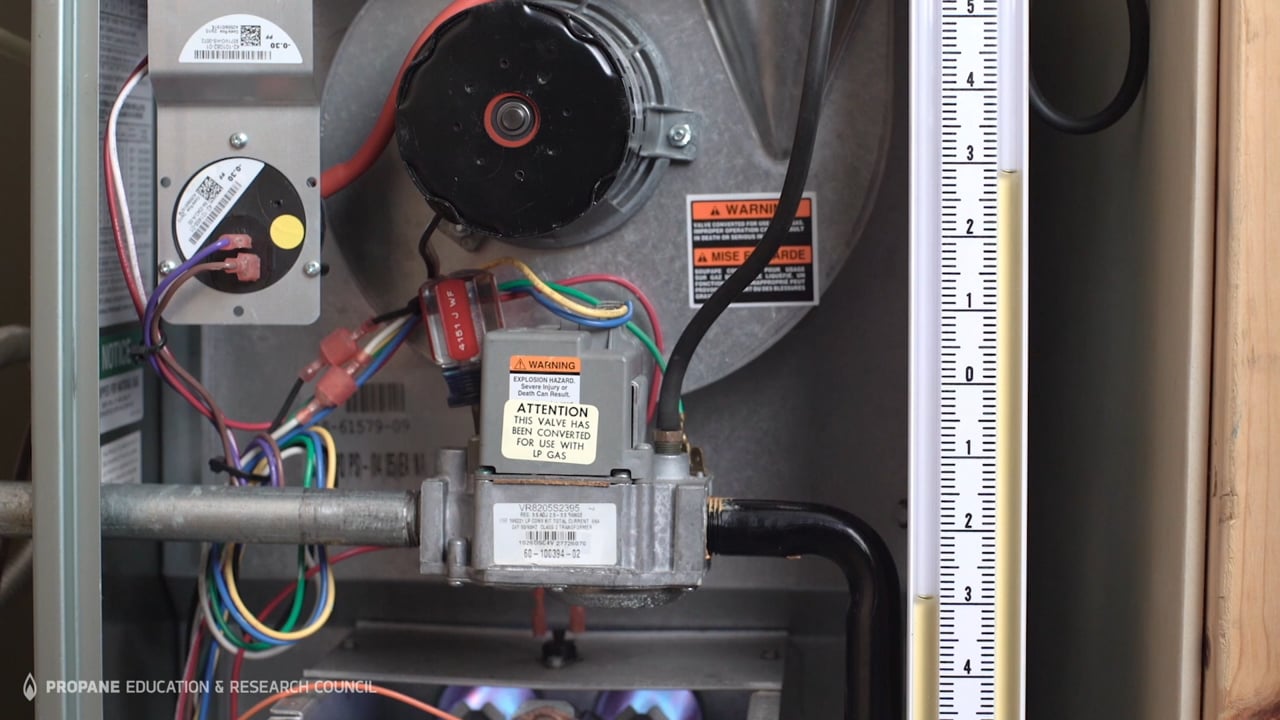
As part of PERC’s HVAC Technical School Grant Program, plumbing and HVAC instructors from across the country, alongside propane marketers partnered with participating schools, spend a day and a half immersed in both classroom instruction and hands-on lab work. They learn the essential principles of working safely with propane, using the same curriculum they’ll take back to their students. At the Train the Trainer, instructors gain valuable experience with tools like the Regulator Demo and Testing Board and a hydrometer, building both knowledge and confidence in real-world propane applications.
What You’ll Get
Expert Training
12 hours of in-person instruction from industry experts where we will go through the curriculum together so you can confidently incorporate it into your own classroom curriculum.
Airfare
Grant funds cover your flights to the training location- a previously awarded school with a fully built out propane lab.
Hotel & Travel
We'll book you a complimentary room near the event, and provide meals and ground transportation during your stay.
What You’ll Learn
The Train the Trainer class you attend should correlate with the grant program level your school has been awarded. A physical copy of the curriculum will be provided at the event.
-
Schools incorporating the Overview of Propane Distribution Systems for HVAC and Plumbing Professionals, an introductory, eight-hour curriculum, will leave the event with the knowledge and skills required to perform a variety of propane-related tasks:
- Identify the sources, characteristics, and physical properties of propane.
- Follow general propane safety information.
- Identify the main components of a vapor distribution system and how they work together to supply adequate gas pressure to appliances.
- Identify various code requirements for container and regulator installation.
- Explain the effects that a gas piping stub out or side-wall vent termination may have on the propane container or regulator location.
- Verify that propane appliances are installed in a safe and code compliant manner.
- Determine interior gas piping requirements.
- Explain the different vapor distribution system tests and checks, including pressure test, leak check, and regulator and system flow and lockup test.
- Identify gas system and appliance startup requirements.

Schools incorporating the 80-hour course, HVAC and Plumber Technical Training, for HVAC and Plumbing Professionals, will leave the event with the following information they need to safely work with propane:
- Identify sources, physical properties, and effects of pressure and temperature on propane.
- Identify which propane industry standards, codes, and regulations correspond to job-related tasks.
- Properly determine an effective system load.
- Identify factors affecting selection of a properly sized container.
- Identify how to properly design, size, select, install, and test gas piping and tubing for a vapor distribution system.
- Identify the steps for selecting, sizing, and installing regulators and vapor meters.
- Identify the different vapor distribution systems and appliance checks and tests and recognize the steps to perform them.
- Explain the general procedure for placing a vapor distribution system into operation and when to make the final connection to turn on the system.
- Identify proper appliance design applications and installation methods.
- Explain how to design and supply adequate appliance combustion, dilution, and ventilation air.
- Identify appliance controls and safety devices and understand their purpose.
- Identify how to design, size, and install gas appliance venting systems.
- Explain the importance of proper venting, combustion air, and purging.
- Explain the basic characteristics of burning propane to include the components of a burner, air adjustments, and flame abnormalities.
TOPICS COVERED INCLUDE:
-
Vapor Distribution Systems
-

- How propane containers, regulators, and gas piping supply adequate gas pressure to appliances.
- When and why a propane container does not adequately supply the propane demand of the system.
- The importance of having properly sized gas piping.
-
Appliance Installation Requirements
-
- The importance of installing a safe and code-compliant venting system.
- The different category types of vented appliances.
- Why it’s important to select the correct venting system materials for the different appliance categories.
- The importance of maintaining proper clearances between an appliance venting system and combustible materials.
-
Interior Gas Piping Installation Requirements
-
- The correct gas piping system material to be used.
- How gas piping distribution systems are installed in a safe and code-compliant manner.
- The difference between a sediment trap and a drip leg and their different installation requirements.
- The correct pressure to apply to piping systems.
-
Tests and Checks
-
- The different vapor distribution system checks and tests and their importance.
- The purpose and code requirements for conducting a pressure test, a leak check, and a flow and lockup test.
- The difference between a system flow test and a regulator flow test and how to conduct them.


Get The Overview Course
Come to class prepared by reviewing the Overview of Propane Distribution Systems curriculum, so you can ask any clarifying questions you may have. Download it below for access to the instructor manuals, videos, quizzes, and everything else you need to put propane in your classroom.
Get The Technical Course

Come to class prepared by reviewing the HVAC and Plumber Technical Training curriculum, so you can ask any clarifying questions you may have. Download it below for access to the instructor manual, videos, quizzes, and everything else you need to put propane in your classroom.