
Ready to get started? Contact Jim Bunsey at [email protected] or Schedule a Meeting.

Better Energy for Your Entire Port
Propane has the ability to transform your port for the better with advantages that other energy sources, like diesel and electric, can't deliver.
Cleaner Than Electric
By adopting propane-based, near-zero emission technologies, ports can reduce greenhouse gas emissions quickly and cost-effectively, compared to grid-generated electricity and diesel, without compromising on workflow.
Proven Reliability
Propane is stored on-site and does not require a connection to the electric grid. This means propane provides consistently reliable power when the grid isn’t available.
More Cost Efficient
Propane equipment delivers a low total cost-of-ownership, reducing your equipment, maintenance, and infrastructure costs.
All-Around Versatility
Propane can power it all, from light- and medium-duty vehicles, to terminal tractors and forklifts, to commercial generators and marine vessels.
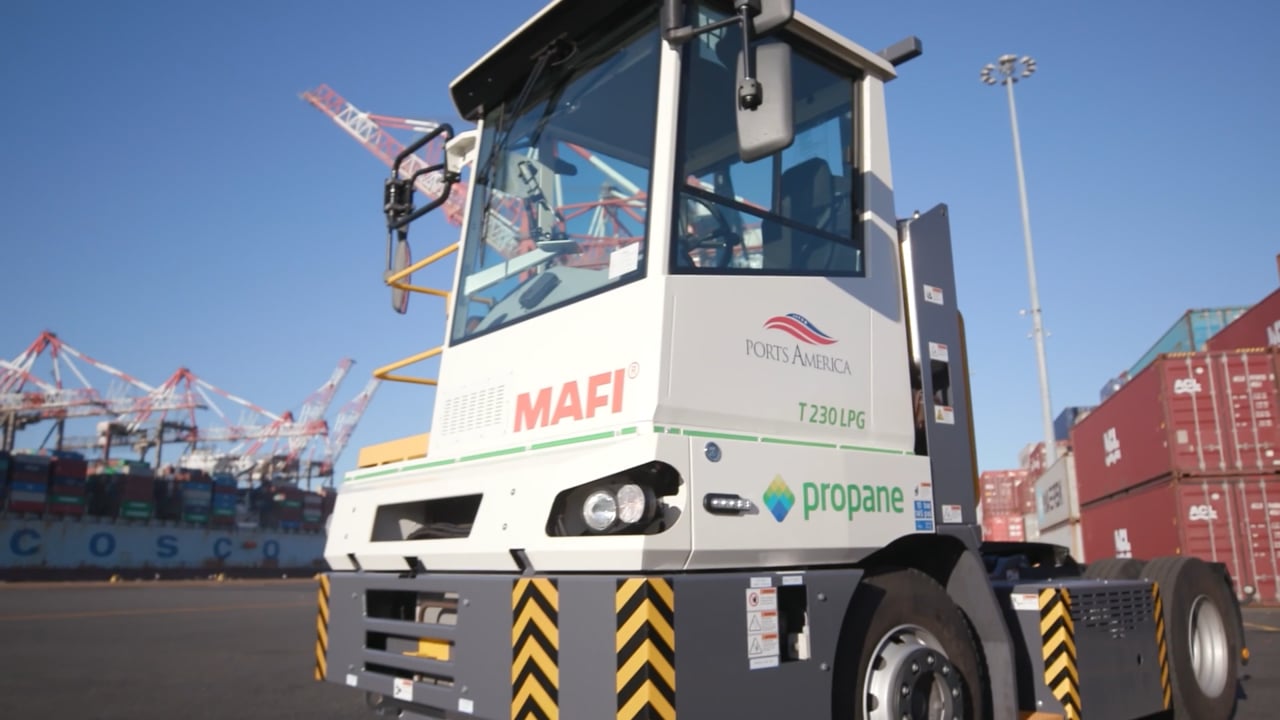
Powering the Port in Action
Explore how propane supports a range of port operations —from yard tractors and material handling equipment to on-site fleet vehicles —all working efficiently and cleanly on the dock.

Propane Transforms the Way Ports Operate
See how propane transforms the way ports operate in this video.

Propane Gives Productivity A Lift
Learn how propane forklifts are giving businesses a lift with clean, powerful performance.

Propane Drives Fleet Vehicles’ Success
Propane autogas is the alternative fuel of choice for businesses of all kinds. See it in action in this video.

The Growing Environmental Benefits of Propane
See how renewable propane is helping to write the next chapter of clean energy.
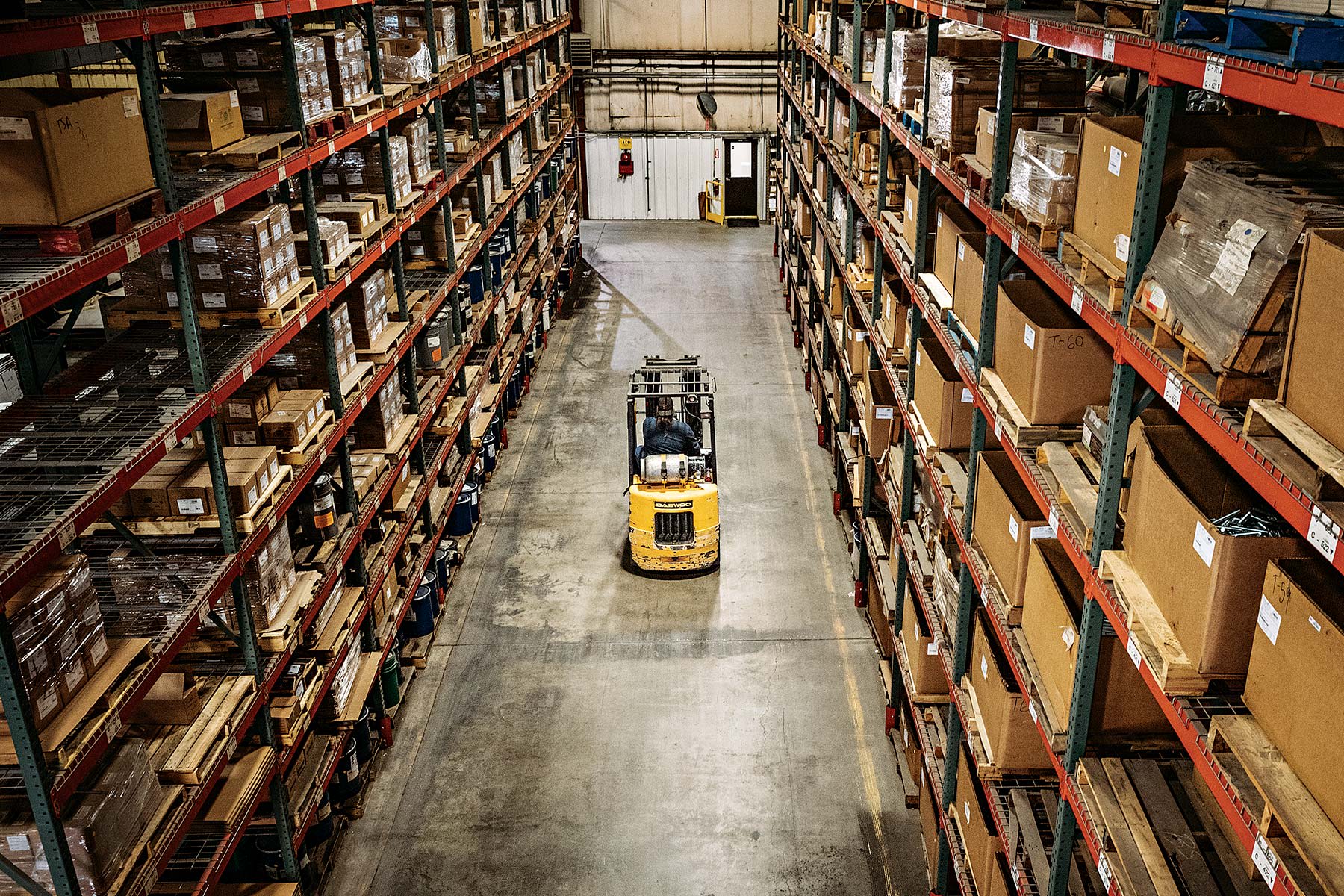
Get The Facts About Propane Forklifts
Explore the common misconceptions of propane forklifts and learn why they might be a good fit.
Learn More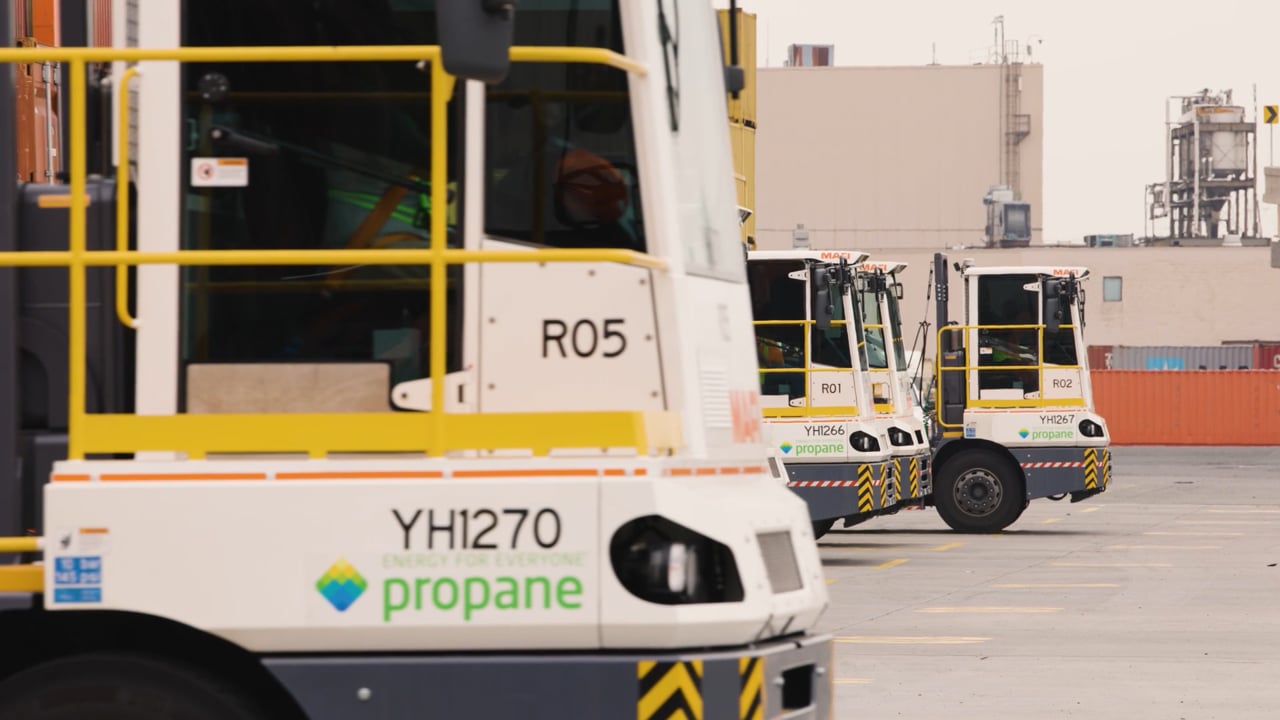

Propane Helps Meet Decarbonization Goals
See how clean, reliable, powerful propane stacks up against other energy options across port applications.
How Propane is Powering Ports
Forklifts
Propane forklifts bring powerful performance to both indoor and outdoor jobs. They’re also proven to operate significantly cleaner than electric and diesel options.

Light-Duty Vehicles
Propane autogas has been a longtime trusted fuel for light-duty vehicles. Its reliable, clean performance and reduced maintenance expenses make it a great choice for ports that want low-emissions vehicles that also cut total cost-of-ownership.
Medium-Duty Vehicles
Keep more vehicles on the job and out of the shop. Medium-duty propane autogas vehicles are known for their reliability and power, on top of reducing costs compared with conventional fuels.
Terminal Tractors
Terminal tractors need plenty of fuel, so choose the most cost-efficient option available. Propane is suited for powering large-capacity loads, often while reducing fuel costs compared with gasoline and diesel.
Marine Vessels
Marine vessels burning diesel fuel are the primary source of combustion-related emissions at port facilities, according to the EPA. Clean up your work with propane marine vessels.
Commercial Generators
Loss of grid power can occur at any time, and when it does, can impact vital systems and have a significant impact on your port’s operation. Commercial propane generators are trusted by hospitals, fire and police departments, and more to ensure uninterrupted operation and peace of mind.
Partner Success Stories
-
Port of Long Beach
-
Accelerating Port Electrification
Port operators are under increasing pressure to electrify heavy-duty equipment despite ongoing utility infrastructure constraints. This white paper explores how propane-powered off-grid charging supported rapid EV infrastructure deployment at the Port of Long Beach with scalable performance and reliable power independent of the grid. -
West Basin Container Terminal
-
Cutting Costs and Emissions Without Sacrificing Performance
When West Basin Container Terminal (WBCT) needed a cleaner alternative to diesel, it became the first U.S. port to operate an all-propane yard tractor fleet. See how WBCT reduced fuel costs, dramatically lowered emissions, and maintained diesel-level performance at one of the busiest ports in the world. -
Port of Newark Container Terminal
-
Cleaner Operations Without the Challenges of Electric
Port Newark Container Terminal (PNCT) needed a lower-emissions solution that could meet demanding duty cycles without the charging limitations of electric equipment. Learn why PNCT chose propane terminal tractors to reduce emissions, support sustainability goals, and keep cargo moving without interruption.