
Every Child Deserves a Safe, Clean, and Healthy Ride to School

School transportation is under constant pressure to reduce costs, maintain uptime, and meet emissions goals without disrupting daily routes. With more than 23,000 buses operating across 1,100 districts in 49 states, propane autogas is a proven solution that helps keep buses on schedule, lower costs, and deliver cleaner rides for students.

Schools that Switch to Propane Have Done Their Homework
For transportation directors, propane school buses provide immediate opportunities to meet operational needs while remaining on budget. Scalable, affordable, and available, propane autogas is helping school transportation budgets go further.
-
Lower Cost Of Total Ownership
-
School districts can expect fuel costs of propane buses to be up to 50% less than diesel. And propane autogas saves in maintenance too: eliminating the need for costly filters and fluids needed on new diesel buses.
-
Lower Acquisition Cost
-
New propane buses cost a third of the price of new electric buses, allowing districts to purchase more vehicles within budget.
-
Lower Infrastructure Costs
-
Grid-free autogas refueling stations – which can be public, private, or even temporary stations – are a fraction of the cost of tying a new charging station into the electric grid.
-
Cleaner Performance
-
Today’s propane engines are 90% cleaner than mandated EPA standards, helping school districts meet sustainability goals while keeping their passengers healthier and their communities safer.
-
Proven Technology
-
Propane autogas is the most widely used alternative fuel for school buses, reliably helping districts run routes without worrying about recharging or range restrictions.
-
Available Incentives
-
In addition to the EPA Clean School Bus funding, many states offer incentives to help fleets save on the upfront purchases of propane autogas buses. See what’s offered in your state.
Districts around the country have used these fleet savings and operational efficiencies to afford more teachers, classroom supplies, and extracurricular activities. It’s no wonder fleet managers and transportation directors are switching to propane.
Propane School Buses Are Making the Grade
Replacing some of our older diesel buses with these clean energy propane buses really spoke to the board’s vision. Propane fuel costs a fraction of what diesel costs and maintenance costs are much lower. For every dollar that we can save with these kinds of things, we can push back into the classroom because that is our ultimate mission.
Tina Stoll, School Board President, North Penn School District

Propane School Buses Transform Wa-Nee Community Schools
This Indiana school district relies on propane school buses to cut costs and give students a cleaner, quieter, and safe ride to school every day.
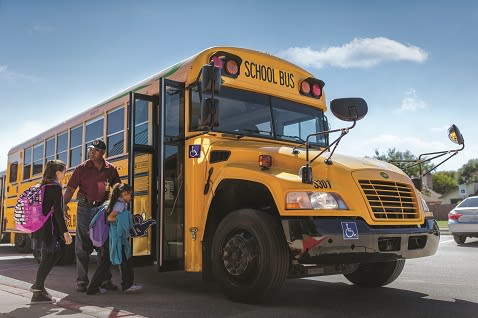
Propane Can Do That: School Transportation
Propane autogas is powering cleaner, quieter buses to get kids from point A to point B safely.
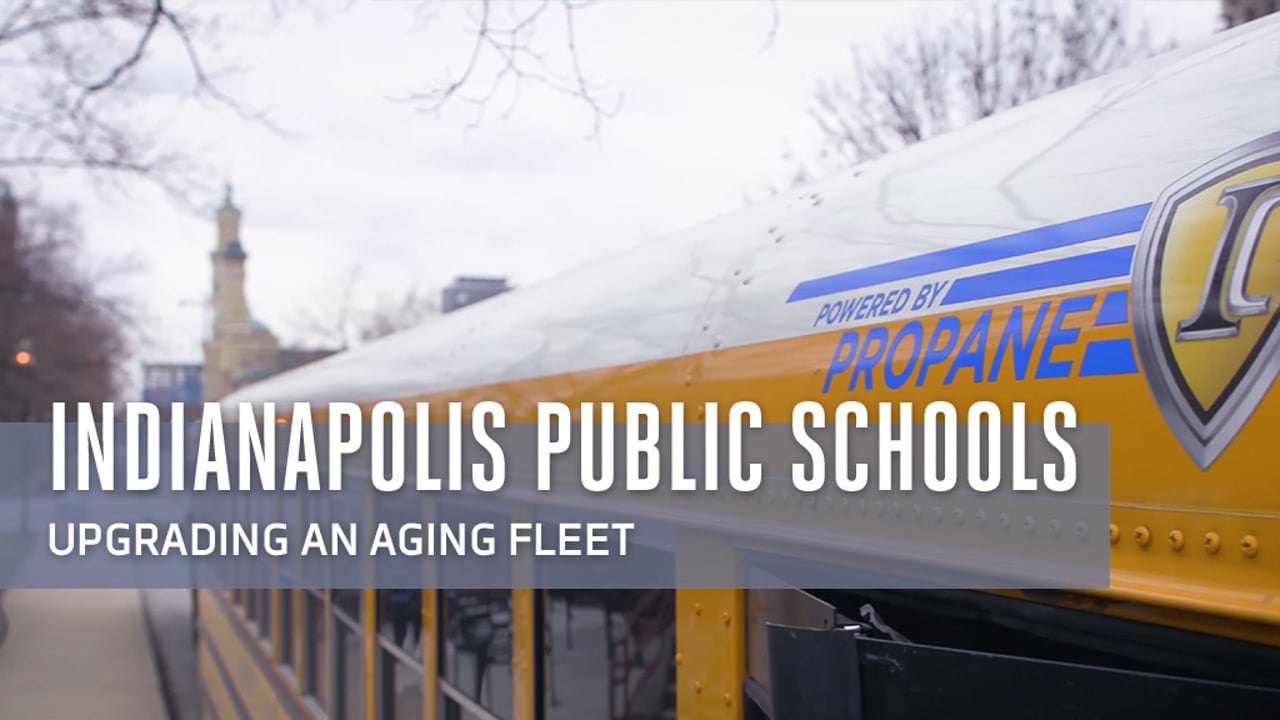
Upgrading an Aging Fleet
Director of Transportation, Manuel Mendez, explains why his district decided to upgrade their fleet with propane autogas buses.
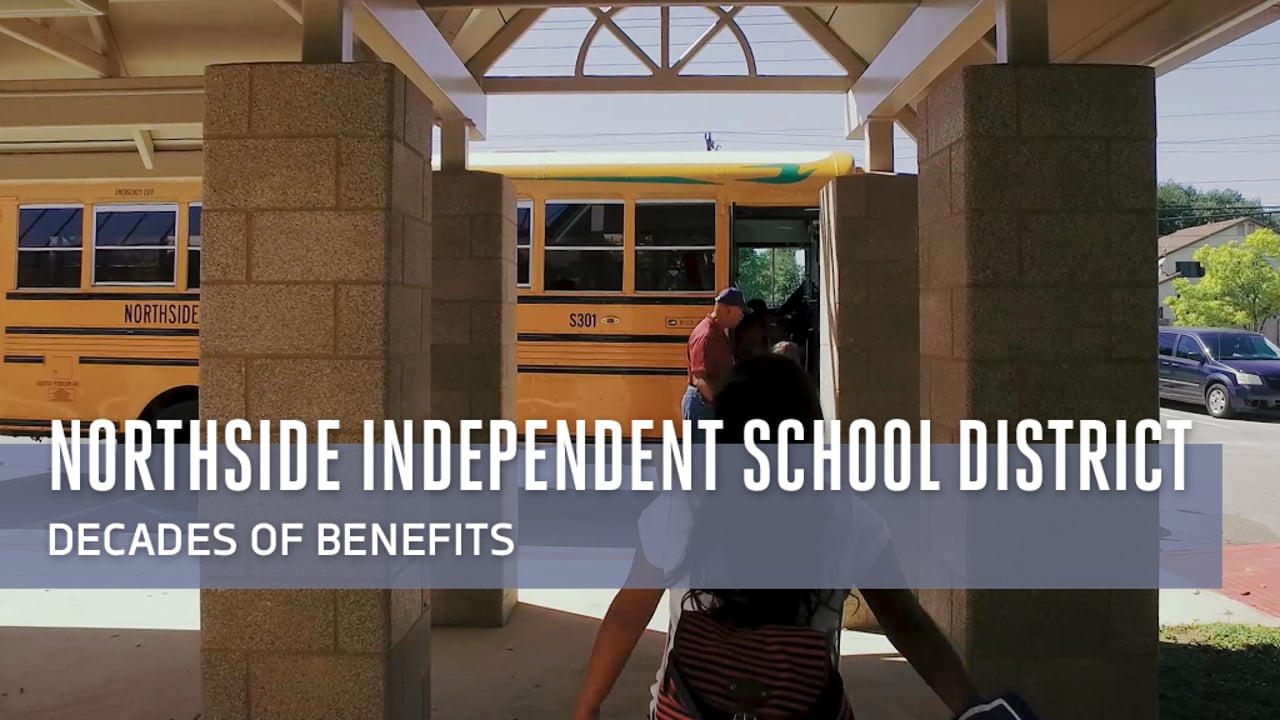
Decades of Benefits
Hear from a district that has been using propane buses for 35 years and is currently saving $1.3 million on fuel annually.
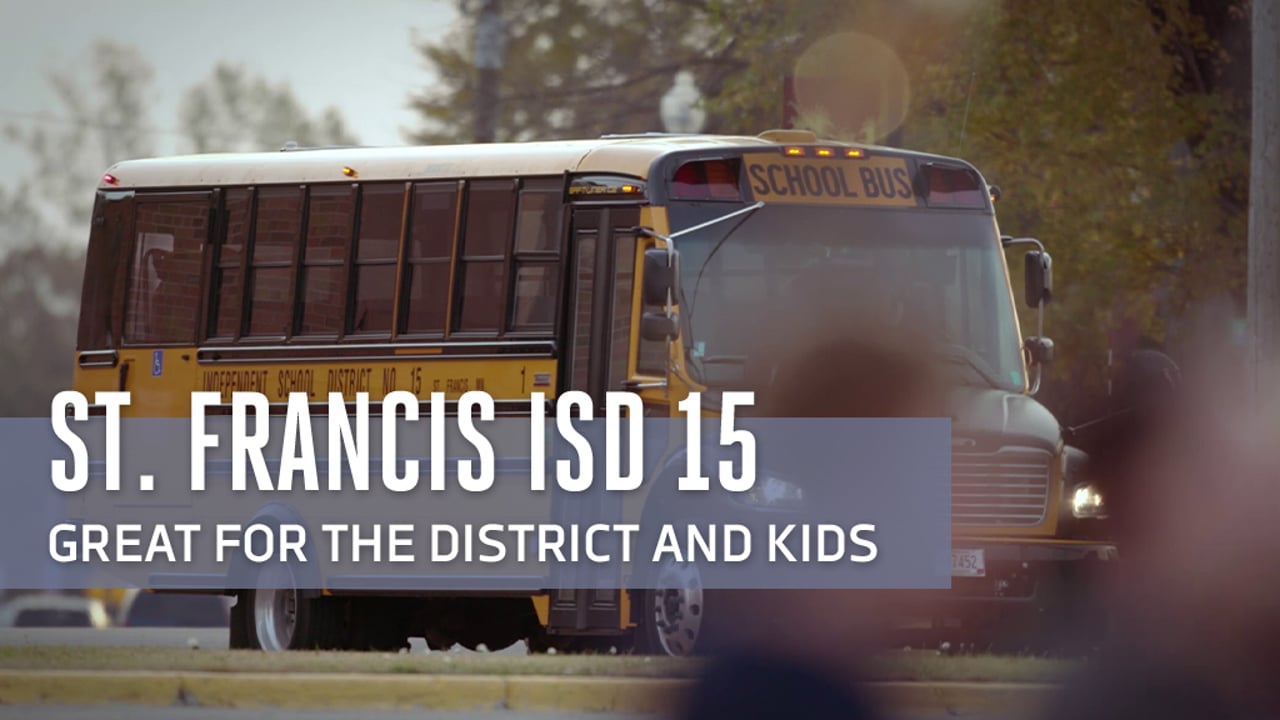
Great for the District and Kids
School officials explain why the savings, quieter operation, and decreased emissions of propane buses are better for their district and students alike.
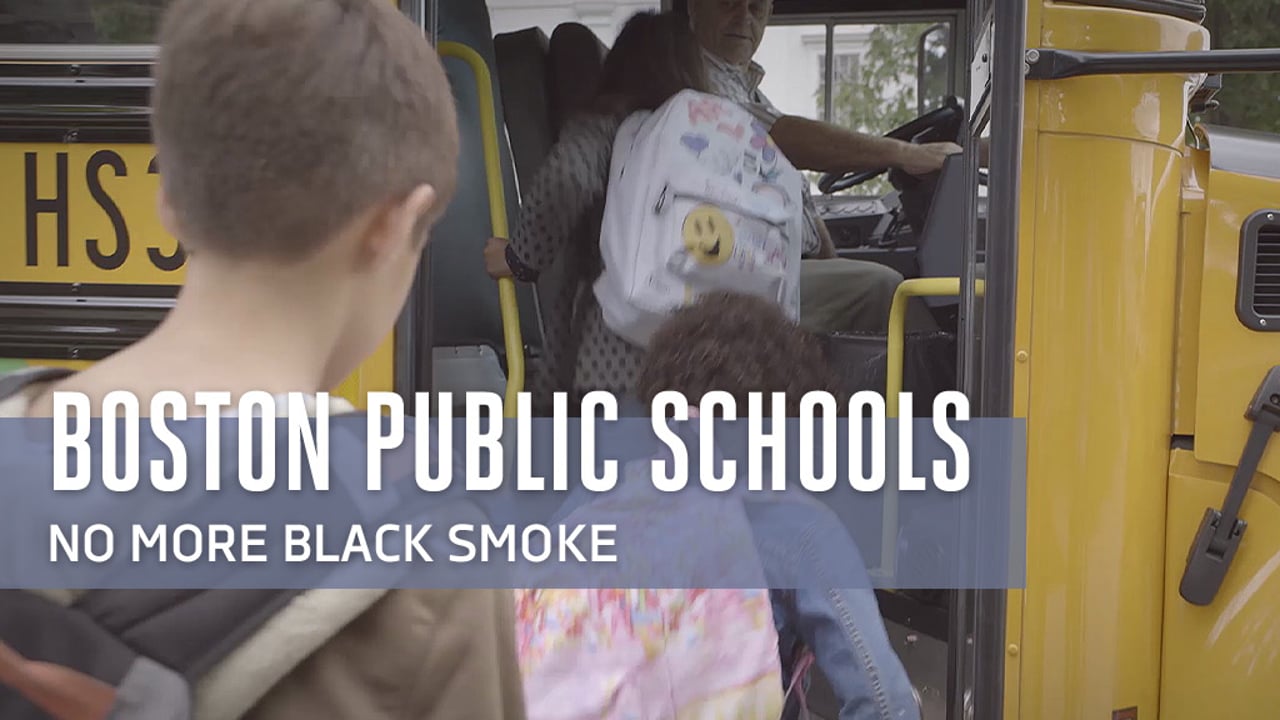
No More Black Smoke
Fleet and Compliance Manager, Peter Crossan, describes the immediate benefits propane autogas school buses have brought to the city of Boston and its students.
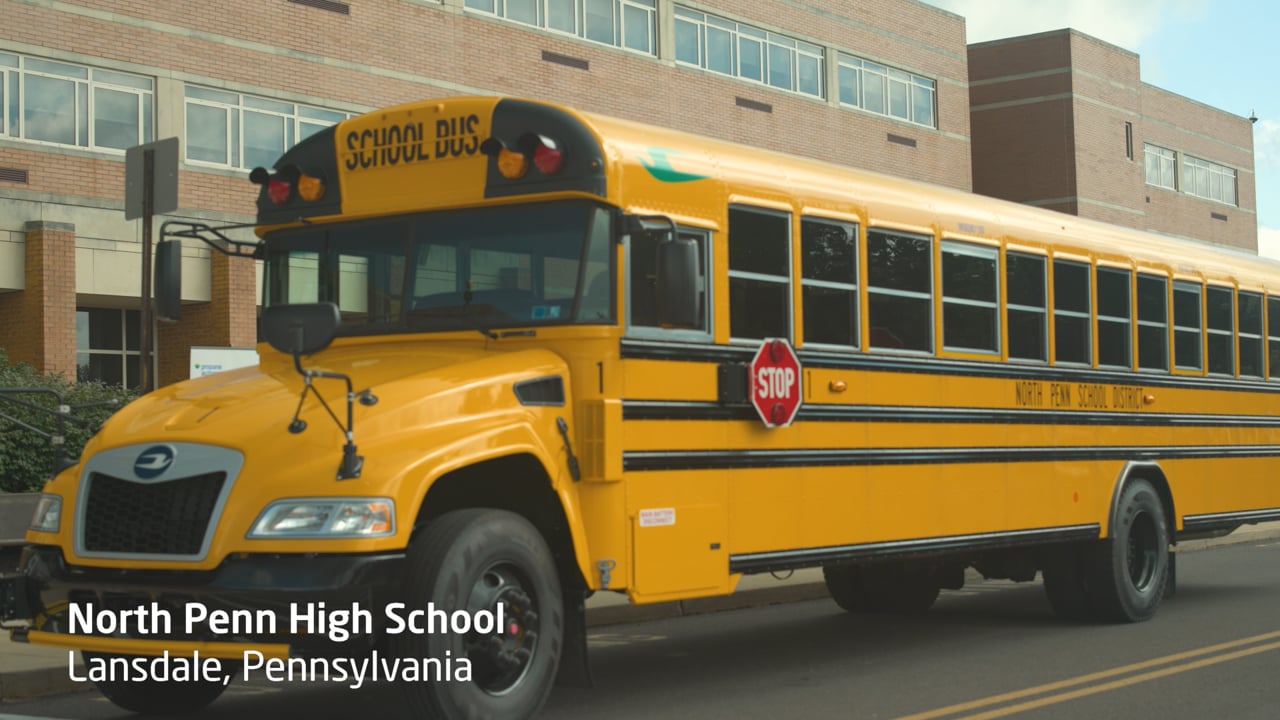

Partner Success Stories
School districts across the country are using propane autogas to lower operating costs, improve reliability, and stretch transportation budgets further. Explore real-world success stories that show how propane autogas delivers dependable performance, cleaner operation, and long-term savings for school districts and the communities they serve.
-
Grain Valley School District
-
Lower Costs for Every Route
Faced with shrinking transportation reimbursements and rising operating costs, Grain Valley School District needed a more sustainable path forward. Today, the Missouri district relies on propane autogas school buses to reduce fuel and maintenance expenses, support cleaner air, and reinvest long-term savings back into transportation operations. -
Hannibal Public School District
-
Proven Reliability in Every Season
Hannibal Public Schools needed buses capable of handling steep terrain, freezing temperatures, and long-distance travel without driving up costs. After switching to propane autogas, the Missouri district reduced fuel expenses, simplified maintenance, and delivered quieter, cleaner transportation that drivers, technicians, and families quickly embraced. -
Independence School District
-
Reducing Costs with Cleaner, Quieter School Buses
Reducing emissions and controlling transportation costs became a growing priority for Independence School District as aging diesel buses neared retirement. Since adopting propane autogas, the Missouri district has lowered fuel and maintenance expenses while improving air quality for students, drivers, and the surrounding community. -
Liberty Public Schools
-
Turning Fuel Savings Into Classroom Savings
Replacing aging diesel buses gave Liberty Public Schools an opportunity to reduce operating costs without sacrificing reliability or performance. With propane autogas school buses now serving routes across the district, transportation staff have cut fuel and maintenance expenses while reinvesting long-term savings back into schools and operations. -
Los Angeles Unified School District
-
LAUSD: Powering Electric School Buses Off the Grid
Electric school bus adoption is accelerating nationwide, but charging infrastructure is struggling to keep pace. Learn how the Los Angeles Unified School District used propane-powered off-grid charging to reliably support 180 electric school buses while awaiting permanent utility connections. -
Neosho School District
-
Long-Term Savings That Go Beyond Fuel
Serving rural routes across two counties required Neosho School District to find school buses that could deliver dependable performance in all conditions without increasing costs. After a decade with propane autogas, the Missouri district continues to benefit from lower fuel and maintenance expenses, reliable cold-weather operation, and quieter rides for students and drivers. -
Newport News Public Schools
-
Putting Millions Back Into the Budget
Years of rising diesel maintenance costs pushed Newport News Public Schools to explore a cleaner, more economical alternative for its transportation program. Since adopting propane autogas school buses, the Virginia district has saved more than $2 million in fuel and parts while expanding one of the region’s largest propane autogas school bus programs. -
Washoe County School District
-
Cleaner Buses Without Compromising Performance
Nevada’s evolving clean transportation requirements pushed Washoe County School District to look beyond diesel for a long-term solution. After more than a decade operating propane autogas school buses, the district continues to reduce emissions, lower operating costs, and deliver reliable transportation across thousands of square miles and demanding daily routes. -
Westerville City School District
-
Lowering Costs While Driving Fleet Performance
When Westerville City School District set out to reduce fuel and maintenance costs, it chose propane autogas to power the majority of its school bus fleet. Learn how the district lowered operating expenses, improved fleet performance, and invested in reliable fueling infrastructure while safely transporting more than 7,000 students each day.

Energy for a Brighter Future
Propane is a low-carbon, near-zero alternative energy source. Did you know that propane powered school buses produce up to 96% less toxic emissions than diesel buses? With propane autogas buses, students aren’t exposed to the emissions that can aggravate asthma and cause other health issues.

And because propane produces 35% fewer greenhouse gas emissions than grid-generated electricity, it even has a lower carbon intensity than electric buses. All without sacrificing range, reliability, or performance.


In fact, the latest propane autogas engine technology is classified as near-zero emissions and has moved the fuel even closer to achieving net zero emissions levels.
See why propane is the environmentally friendly energy for everyone – especially schools.
The Latest Clean, Safe Student Transportation Stories

School District of Philadelphia Leads the Way in Clean Student Transportation

Renewable Propane Has Future-Proofed this School District’s Fleet
